
You’re walking down the street, pretty in a rush (everyone is rushing lately), you’re out of breath, somebody is pushing you with their elbow, and in general, you’re not in a great mood. Then, you’re stepping behind the doors of your desired café. A bell rings. You have arrived at your destination.The hasty sounds from the streets suddenly disappear, and you sigh with relief. There is something magical about coffee places.
Coffee Culture Nowadays
I wondered to myself why I’m drawn to spending time at cafés. Is it only the desire to taste freshly brewed espresso, the smell of roasted beans or a whimsical playlist that was put on a play? I was seeking more than that. Connection. Peace. Inspiration. A pause in time.
In every city, the coffee culture is a bit different. In every corner of the globe, coffee culture takes on a different mask, yet the soul remains the same. Everyone is ‘hanging out’ now, but the way we do it is dictated by the architecture around us.
In Berlin, you’ll stumble into minimalist industrial dens, exposed wiring and stools that are intentionally uncomfortable to keep it a bit edgy. It’s stern, focused and utterly cool.
It is quite a contrast to Lisbon, where the cafés are often sun-drenched pockets of history. You’ll find yourself brushing pastéis de nata crumbs off hand-painted azulejo tiles, sipping a bica while the world moves at the pace of a slow afternoon.
Italy, on the other hand, taught me that a café doesn’t need to be slow to be meaningful. You stand at the counter, drink your espresso in a few sips and leave.
Each city constructs a different stage, but the actors are often the same: the students. For us, the café has become a place of meet-ups: spaces where ideas can be nurtured with a pleasant setting, and conversations can flow.
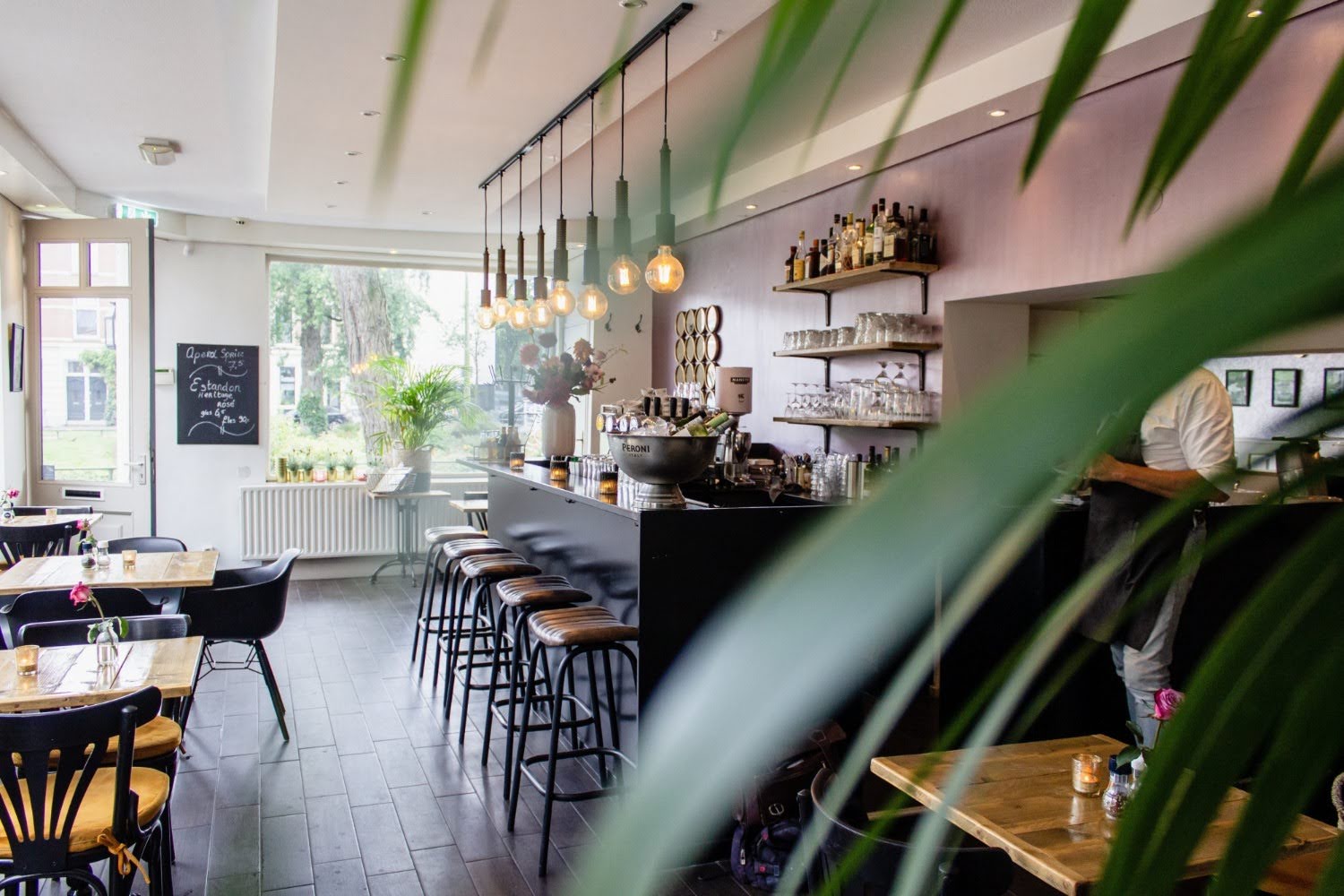
Cafe is The Third Place
I didn’t know there was a term for it at first. Only later did I come across Ray Oldenburg’s idea of the ‘third place’: somewhere between home and work, or in our case, university. Third places are vital for creating community and social interaction. Such spaces intend to craft meaningful connections between people, provide opportunities for personal growth and learning, and stimulate your creativity. It sounds a bit formal for something that feels so ordinary. Does your favourite café match this description?
At the beginning of an exchange, nothing feels like yours at all. You’re not sure how long you’re meant to stay in a certain café or whether sitting with one coffee for an hour is acceptable. You listen more than you speak. You watch how other people do it.
And then, slowly, it becomes familiar. You start coming back without thinking about it. The same table, the same order, the same background noise. Small interactions begin to add up.
- Is this seat taken?
- Do you mind if I use this socket?
What makes it work is that everyone is there for a different reason, and somehow that’s enough. You can be busy or completely idle, alone or surrounded, and it still feels like you belong there, at least for that moment.
The ‘third place’ is where a foreign city finally stops feeling like a movie set and starts feeling like a neighbourhood.
The art of noticing
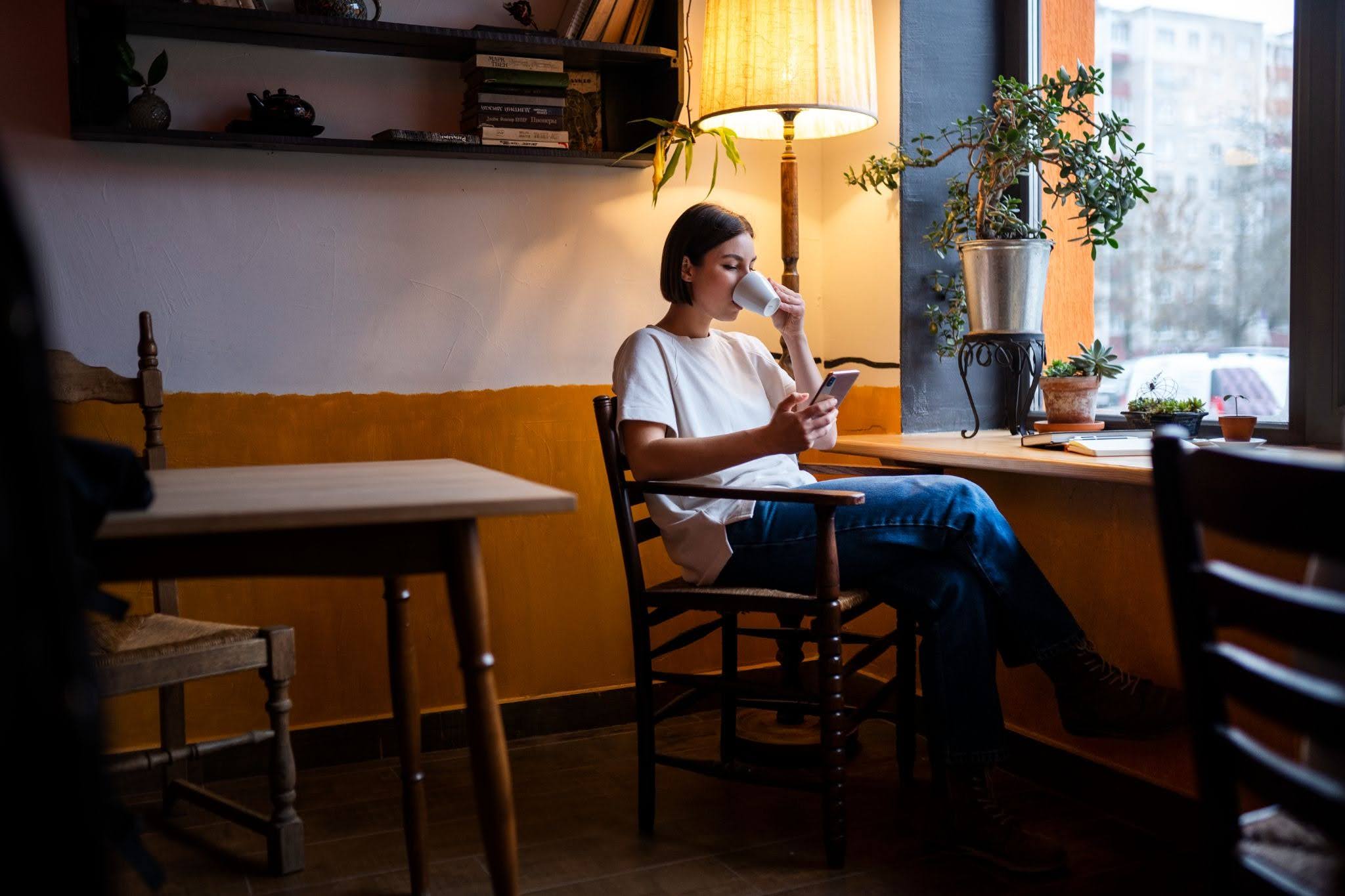
During my university days, I had some breaks between lectures. When a longer break occurred, I would usually slide towards one of my favourite cafés, with my friends or alone. It was the only place where I could really enjoy the ‘boredom’. Just sit with my cup of coffee and observe what’s going on behind a window, how people are rushing (and what for) and the neighbourhood's surroundings.
Inside, there was always a kind of low, steady noise: cups being placed on saucers, chairs scraping lightly against the floor or fragments of conversations you weren’t meant to hear. Nothing important, but somehow enough.
It made boredom feel less like something to avoid.
The Bitter Aftertaste
If you do find yourself sitting at a café with no real plan, it’s worth staying a bit longer than you intended. Not for the coffee, but for everything happening around it.
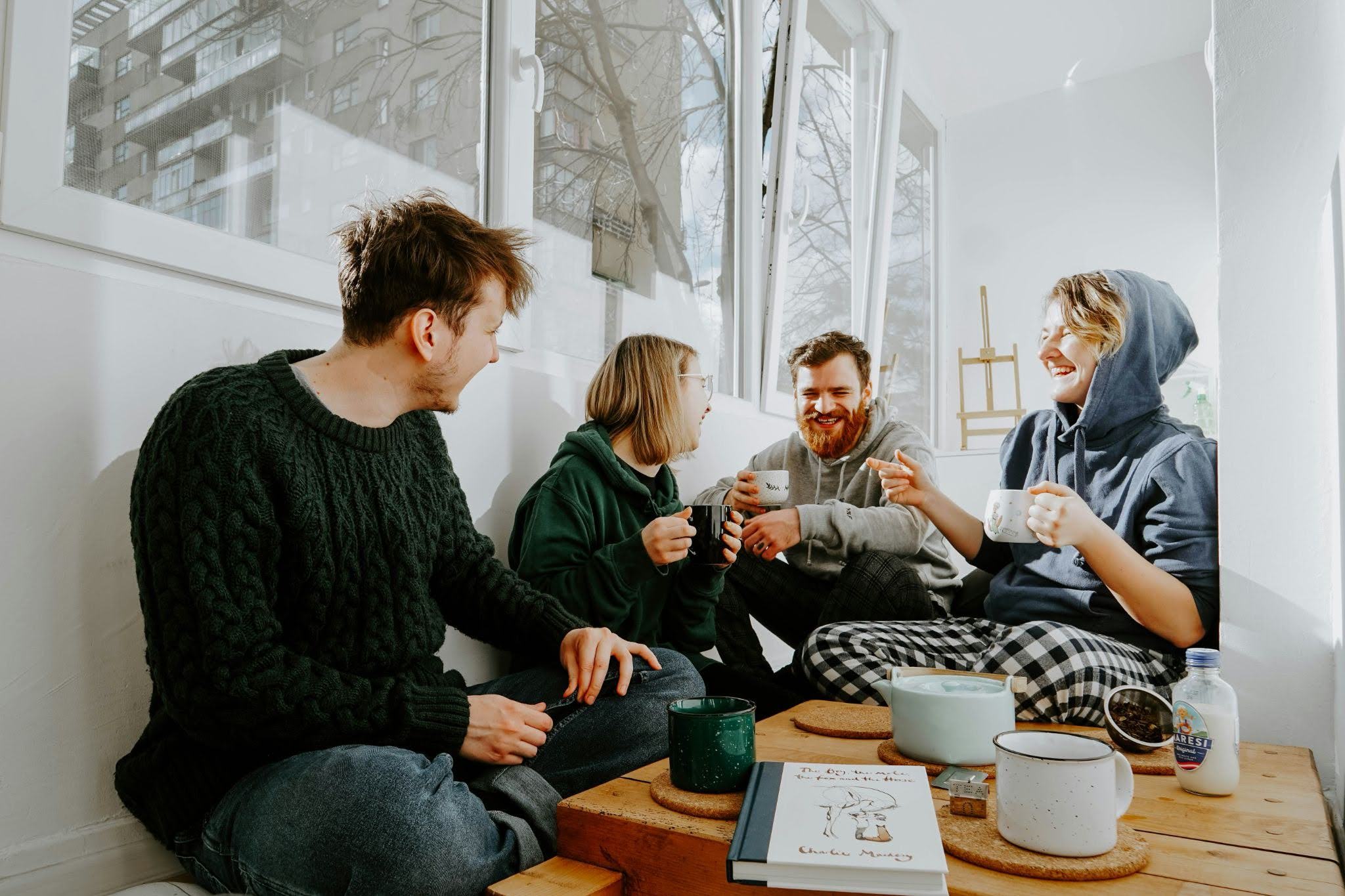
Maybe that’s why it’s so hard to say goodbye to certain places when your exchange comes to an end. Not because of the coffee, but because of everything that happened around it—the conversations you didn’t plan, the afternoons that disappeared without notice, the feeling of recognising a place in a city that once felt unfamiliar.
Long after you leave, you’ll forget street names, bus routes, or even lecture halls. But you’ll remember where you used to sit, what you could see from the window and who was across the table.