Youth participation is one of the key pillars for building democratic, inclusive, and resilient societies across Europe. In a time marked by growing misinformation, social division, and declining civic engagement, young people play an essential role in shaping communities based on solidarity, intercultural dialogue, and active citizenship. Projects such as SPEAK OUT highlight the importance of empowering youth to become changemakers who challenge stereotypes, promote inclusion, and encourage democratic participation at both local and European levels.
One of the most significant examples of youth-led engagement in Europe in 2026 was the Erasmus Generation Meeting 2026, held in Split from 16 to 19 April 2026. Organised by the Erasmus Student Network together with local and European partners, the event brought together more than 1,400 participants from over 45 countries, making Split a temporary European hub for youth participation, mobility, and intercultural exchange.
The theme of EGM 2026, “Port of Mobility, Gateway to Skills,” focused on how international mobility, volunteering, and youth engagement contribute to personal growth and the development of competences. Through over 100 workshops, panel discussions, plenary sessions, and networking activities, young people explored topics such as active citizenship, democratic participation, inclusion, media literacy, and the recognition of skills gained through mobility experiences.
A particularly important aspect of EGM Split 2026 was its emphasis on intercultural dialogue and peer-to-peer learning. Young participants from different cultural, educational, and social backgrounds exchanged experiences and ideas, demonstrating how international cooperation can help combat prejudice and misinformation. This directly reflects the goals of the SPEAK OUT project, which seeks to create stronger intercultural societies by connecting young people and encouraging meaningful dialogue within local communities.
The event also highlighted the importance of youth participation in democratic processes and European decision-making. Discussions during the conference encouraged young people to actively contribute to society, engage with policymakers, and promote European values such as solidarity, inclusion, and equality. The Flag Parade through the streets of Split symbolised unity in diversity and showcased the power of young people coming together across borders.
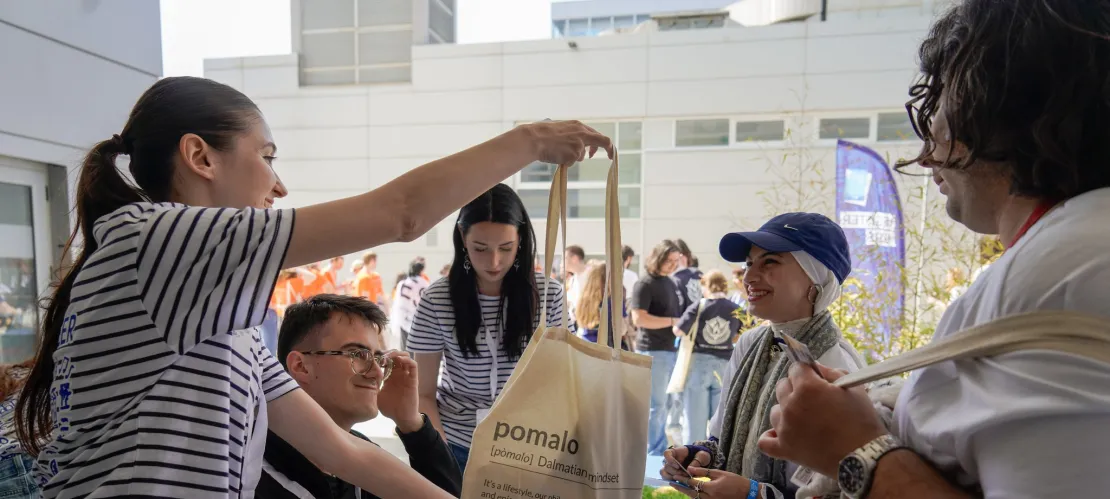
Another major contribution of EGM Split 2026 was the EGM Expo, where universities, youth organisations, and institutions presented opportunities related to education, volunteering, and international mobility. More than 80 organisations participated, offering information and inspiration to students and young citizens interested in European programmes and civic engagement.
Events like EGM Split 2026 demonstrate that youth participation goes far beyond voting or formal political involvement. It includes volunteering, intercultural learning, community engagement, and creating spaces where young people feel heard and valued. By participating in international initiatives, youth develop critical thinking, communication skills, and intercultural understanding, all essential tools for countering disinformation and strengthening democratic societies.
The success of EGM Split 2026 showed the enormous potential of young people when they are given opportunities to connect, collaborate, and lead. It reinforced the idea that Europe’s future depends on empowered youth who are willing to engage actively in society and promote positive change within their communities.
Through initiatives such as SPEAK OUT and events like EGM Split 2026, young Europeans are proving that participation, solidarity, and dialogue remain powerful instruments for building a more inclusive and informed Europe.