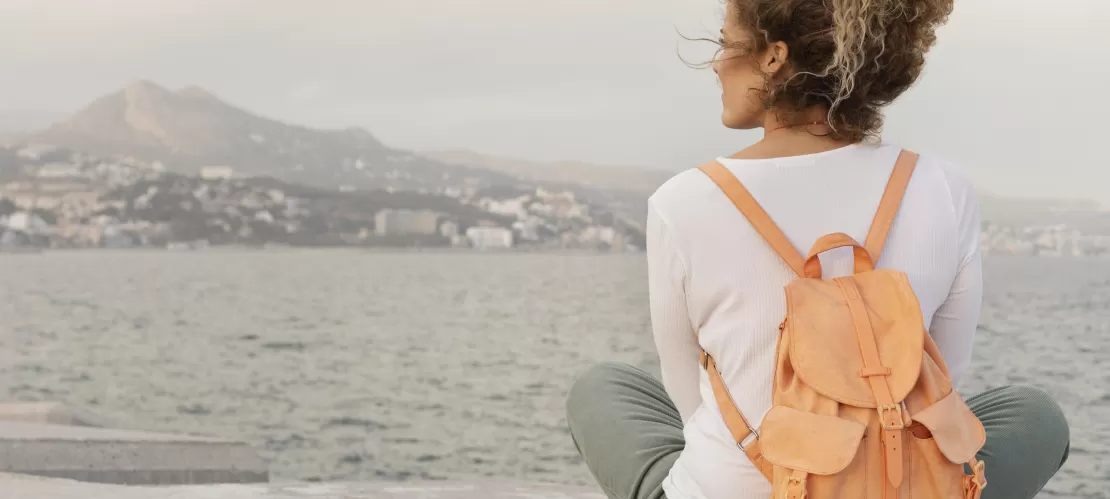
It might be considered a current trend or not, but adding the word ‘slow’ to many concepts has been around for a while. We have slow food, slow fashion, and now, slow travel. In a world filled with so much information triggers and the constant pressure to be ‘somewhere else’, it is incredibly easy to get overwhelmed.
Let’s be honest: are you going on an exchange to actually live in a new country, or are you just using it as a glorified, expensive base camp for a Ryanair-fuelled marathon across the continent? If your main goal is to collect passport stamps like they’re Pokémon cards while barely knowing the name of the baker down the street, you might be doing it wrong.
Many exchange students use their time abroad as an excuse to travel. Don’t get me wrong, exploring is brilliant, and I do that too, but sometimes, it reaches an excessive, almost frantic level. We become obsessed with the ‘elsewhere’, forgetting that the magic is usually happening right under our noses.
What is Slow Travel, Really?
It’s not about moving at a snail’s pace or refusing to hop on a plane. It’s a mindset, the radical idea that quality beats quantity. It’s choosing to spend a weekend reading in a local park in your host city instead of spending twelve hours on a cramped bus just to take a blurry selfie in front of the Eiffel Tower. It’s about connection over consumption.
A Tale of Two Germanies: My Experience
I did two Erasmus+ exchanges, both of them in Germany. Both were poles apart in terms of vibe and, frankly, my own energy levels.
The first one was in Düsseldorf (north-west of Germany). I had no idea what to expect from the city before applying for my exchange (I was completely unaware of its existence beforehand). The student card from my host university allowed me to have a reduced price for trains. I was able to travel within the same state, and I could see all the smaller towns around Düsseldorf, even the ones close to Belgium and the Netherlands. Saying that the train became my favourite way of transport does not do it justice. I could see so many things, without spending so much time on travelling, discovering local culture, and just enjoying my first Erasmus. I was living in a dorm, so meeting new people was also quite easy. I discovered tiny, timber-framed towns, understood some regional obsessions with their food, and truly soaked in culture. Living in a dorm made socialising way easier, but it was the slow exploration of my immediate surroundings that made Düsseldorf feel like home, not just a stopover.
The second exchange was completely different. It was in Dresden (eastern part of the country), and it was way more chaotic, a different beast entirely. I was in my thesis semester, my brain was a mess of academic jargon, and my travel habits followed suit. Unfortunately, I cannot say it was a slow term. I was travelling quite a lot, but this time, choosing further destinations in Europe, I lost the local plot.
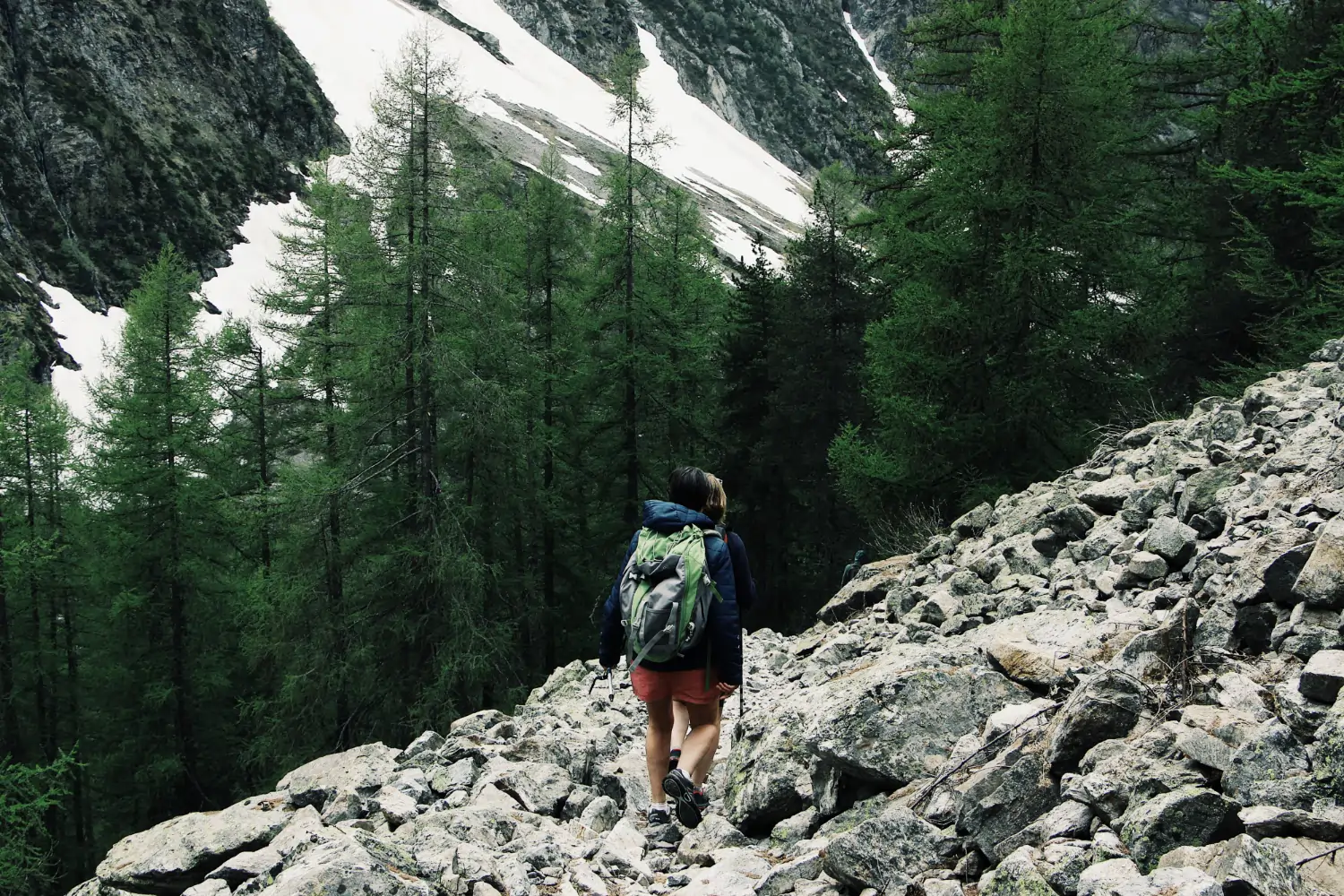
Before I realised it, the semester was half over, and I was a stranger in my own city. I saw events happening, but I hesitated to attend because everyone seemed to have already formed their ‘packs’. Dresden is famous for the stunning Saxon Switzerland hiking areas, and yet, I missed out on those iconic trips. I don't want to complain, don’t get me wrong, I eventually found my people, and leaving was tearful and bittersweet, but I can’t help but wonder: what if I had just stayed put a little more?
Why Slow Travel is the Ultimate Exchange Hack
If you’re still not convinced that skipping that 6 a.m. flight to a city you don’t even care about is a good idea, consider these:
-
Deep Cultural Immersion: You start noticing the nuances. You find the best coffee, you learn the local slang, and you actually have time for meaningful interactions with locals or fellow exchange students instead of just other tourists.
-
The Analogue Life: Slow travel encourages you to be present. It’s about the smell of the rain on the pavement, not the filter you put on the photo of it. It’s about living a life that feels good, not just one that looks good on a feed.
-
Sustainability: Let’s face it, our carbon footprint doesn’t need to be the size of a small country. Supporting local businesses and using trains is a love letter to the planet.

Any Counterarguments?
Of course, the ‘fast traveller’ will tell you that you're wasting your youth by not seeing places. But as I’ve become more aware of myself and my impact on the planet, I’ve decided that a slow, simpler and more sustainable holiday is the far better option for me.
Ask Yourself: What Energises You?
Constant novelty and meeting a hundred people a night? → You might be a fast traveller (for now).
Deep relationships, local mastery and having a set-up routine? → You’re probably a slow traveller.
There isn’t one right way to slow travel. There are hundreds, probably. It's not about choosing a rigid method or following a manual.
It’s about trusting yourself enough to know that you don’t have to see everything to experience everything. It’s about knowing that sometimes, the greatest adventure of your Erasmus isn't found at the end of a boarding gate, but at the end of a long, slow walk through the streets you call home.
Take a breath. Put the suitcase away for a weekend. Just be.