The Impact of the UK's Absence
The UK's withdrawal from Erasmus+ left a noticeable gap as many young people lost the chance to study, train or volunteer in the country.
Although alternative schemes like the Turing Scheme were introduced, they could not fully replace the essence of Erasmus+. One of the programme's most valuable aspects - reciprocity was missing. European students have fewer opportunities to study or train in the UK, limiting cultural exchange and mutual understanding between young people.
Why does this return matter?
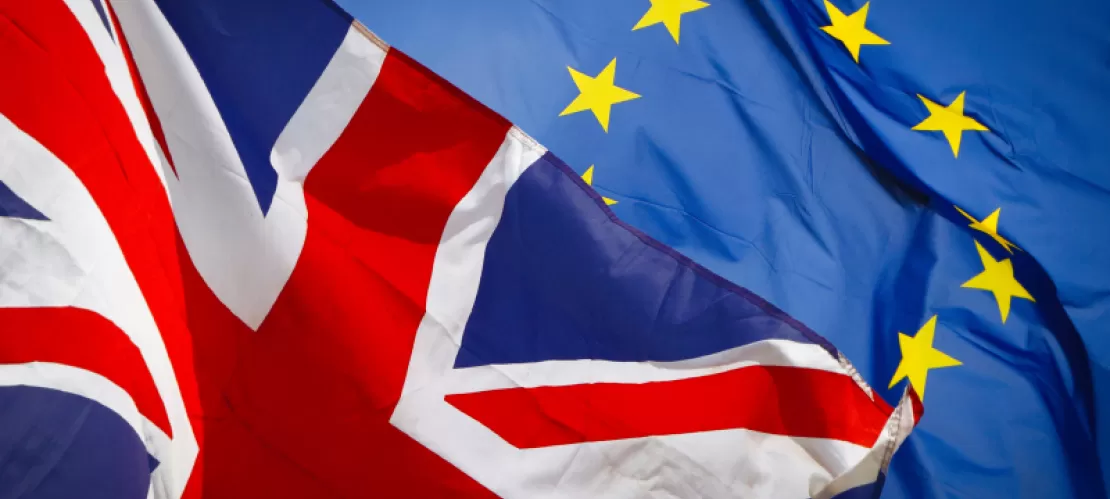
The UK's return to Erasmus+ is more than symbolic. It restores balanced mobility, encourages collaborations and reopens doors for future generations of students and young people.
At a time when Europe faces global challenges that require cooperation, dialogue and solidarity, investing in youth mobility is an investment in the future. Erasmus+ plays a key role in promoting openness, diversity and shared values, empowering young people to engage actively in society.
This return sends a strong message that young people should have access to international experiences, especially in an increasingly interconnected world.
Looking ahead
Rejoining Erasmus+ offers a chance for the UK and Europe to move forward together, strengthening long-term cooperation through education and youth engagement. It is a reminder that bridges can always be rebuilt - and that young people are ready to cross them.